
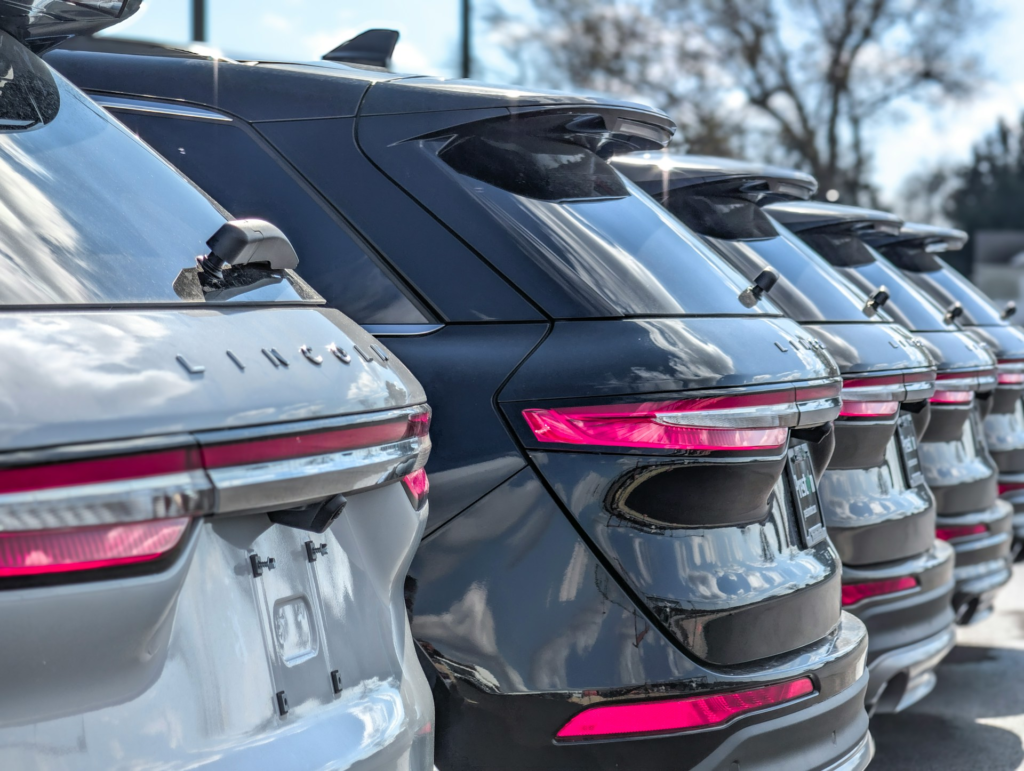
A lemon law buyback is when the manufacturer takes back a defective vehicle it couldn’t fix and refunds what you paid. That generally means your down payment, the monthly payments you’ve made, your loan payoff, taxes, and registration fees, minus a small deduction for the miles you drove before the problem first showed up.
It’s the most common way a lemon law claim ends. It’s also where manufacturers work hardest to shave the number down. Knowing what belongs in the refund, line by line, is how you keep what the law says is yours.
What is a manufacturer buyback?
California’s lemon law, formally the Song-Beverly Consumer Warranty Act, requires a manufacturer to repurchase or replace a new vehicle when it can’t fix a substantial warranty defect after a reasonable number of attempts. The repurchase option is what most people call a manufacturer buyback.
Two points are worth knowing up front. First, the choice between a refund and a replacement belongs to you, not the manufacturer. Under Civil Code section 1793.2{target=”_blank”}, the buyer is free to elect restitution instead of a replacement.
Second, the dealer isn’t the one paying. The manufacturer issued the warranty, so the manufacturer owes the refund. The dealer is usually just where the paperwork gets signed.
Not sure your car qualifies in the first place? Our complete guide to California lemon law covers the repair-attempt thresholds and the 18-month / 18,000-mile presumption window.
What does a lemon law buyback refund?
The statute describes the refund as the actual price paid or payable, plus collateral charges and incidental damages. In plain English, a buyback generally covers:
- Your down payment, including the value credited for any trade-in
- Every monthly payment you’ve made, including finance charges already paid
- The loan or lease payoff, paid directly to your lender
- Sales tax, license, and registration fees
- Other official fees and manufacturer-installed options
- Incidental costs you actually paid: out-of-pocket repairs, towing, and rental cars tied to the defect
Then one deduction comes out: the mileage offset, which we’ll get to in a moment.
A few items are commonly disputed. Dealer add-ons that weren’t installed by the manufacturer, like some protection packages or aftermarket accessories, may be excluded from the refund. Service contracts and rolled-in negative equity from a previous loan can also get complicated. Those are exactly the line items where a careful review of your contract pays off.
That’s the whole list. No mystery math. No “market value” adjustment.
How is the mileage offset calculated?
The offset is the manufacturer’s credit for the miles you drove before the defect first sent the car to the shop. The formula is fixed by statute:
(Miles at the first repair attempt for the defect ÷ 120,000) × price paid for the vehicle
The miles that count are the odometer reading when you first brought the car in for the problem at the center of the claim. Not today’s mileage. Not the mileage on the day you settle.
Here’s an illustrative example. The numbers are generic, not from any real case.
| Step | Figure |
|---|---|
| Price paid for the vehicle | $48,000 |
| Odometer at first repair attempt for the defect | 9,000 miles |
| 9,000 ÷ 120,000 | 0.075 |
| 0.075 × $48,000 = mileage offset | $3,600 |
In this example, the offset is $3,600. It comes off the refund total, and everything else on the list above stays in.
The 120,000 divisor doesn’t change for electric vehicles, hybrids, or luxury cars. People regularly mix it up with the 18,000-mile presumption window, and they’re unrelated. The 18,000-mile figure affects whether a presumption applies. The 120,000 figure is only for the offset math. Driving past 18,000 miles doesn’t wipe out a buyback.
Not sure what your offset should be? A free case review costs nothing, and Mathew or Eli can run the numbers from your repair orders and purchase contract.
How does a car manufacturer buyback actually happen?
Every case moves on its own facts, but a typical repurchase follows this path:
- Build the repair record. Repair orders from an authorized dealer are the evidence. Each one should show the complaint, the date, and the mileage.
- Send a written demand. Many manufacturers have opted into California’s newer lemon law procedures, which require written notice before a lawsuit. The Department of Consumer Affairs lemon law page{target=”_blank”} explains which rules apply and publishes the list of participating manufacturers.
- Review the offer. The manufacturer responds with an offer, a request for more information, or a denial.
- Negotiate the line items. This is where down payments get undercounted and offsets get inflated.
- Sign and return the car. The manufacturer pays off your lender, refunds your share, and takes the vehicle back.
The deadlines inside that process depend on whether your manufacturer opted into the newer framework. Because that choice was made without telling you, it’s worth confirming before you count days.
One more detail: a car that comes back through a buyback gets a branded title before it’s resold, so the next buyer knows its history. That branding follows the car. It doesn’t follow you.
Buyback, replacement, or cash-and-keep?
A buyback is one of three common outcomes. Here’s how they generally compare:
- Buyback. You return the car and get the refund described above. Best when you’re done with the vehicle.
- Replacement. The manufacturer gives you a substantially identical new vehicle. You typically still pay the mileage offset and your ongoing payments.
- Cash-and-keep. You keep the car and receive a negotiated payment. There’s no statutory formula, so the number is purely a negotiation.
Many owners start out wanting cash-and-keep and switch once they see a full lemon buyback figure. Others love the car and just want it fixed. There’s no wrong answer, only a wrong number.
What manufacturers do to shrink a lemon buyback
Manufacturers repurchase vehicles every day, and they have a playbook for doing it cheaply. Here’s what it sounds like.
“We’ll buy it back at trade-in value.”
That’s a dealer transaction, not a lemon law repurchase. The statute measures what you paid, not what the car would fetch at auction today.
“The offset is based on your current mileage.”
It isn’t. The offset uses the odometer reading at the first repair attempt for the defect. On a car with 30,000 miles today and a first repair visit at 6,000, that difference can run into thousands of dollars.
“Taxes and registration aren’t refundable.”
The statute lists sales tax, license fees, and registration fees as recoverable collateral charges. A refund that leaves them out is short.
“This is our final offer.”
It usually isn’t. An opening offer is where negotiation starts, and a denial letter is an argument, not a ruling.
When should you bring in an attorney?
The refund formula looks simple on paper. In practice, the money is in the details: which charges count, which miles count, and whether your manufacturer is following the right procedure.
For a sense of scale, one representative lemon law buyback handled by the Duo came to $42,000. That’s a representative figure only. Every case depends on the price paid, the repair history, and the facts, and prior results don’t guarantee a similar outcome.
You also don’t pay to have someone check the math. Under Civil Code section 1794{target=”_blank”}, a buyer who prevails can recover attorney’s fees from the manufacturer. When a manufacturer’s refusal to honor the law is willful, the same section allows a civil penalty of up to two times actual damages.
Bought your car used? The repurchase rules work differently after a 2024 court decision. Our post on whether California’s lemon law covers used cars breaks down which used and certified pre-owned vehicles may still qualify.
Frequently asked questions
How long does a lemon law buyback take?
It depends on the manufacturer, the strength of the repair record, and which procedural rules apply. Some claims resolve in a few months. Others take longer if the manufacturer disputes the defect or the numbers. For manufacturers that opted into California’s newer framework, the law sets deadlines for responding to a written demand and completing a repurchase.
Do I have to keep making car payments during a buyback claim?
Generally, yes. Missing payments can damage your credit and complicate the payoff. The payments you make while the claim is pending are typically added to the refund, since the buyback covers what you actually paid toward the car. Talk to your attorney before changing anything about your loan or lease.
Can I get a buyback on a leased car?
Leased vehicles can qualify. The manufacturer typically pays off the lease with the leasing company and refunds the payments you made, minus the mileage offset. The structure looks a little different on paper, but the principle is the same: you shouldn’t pay for a defective car the manufacturer couldn’t fix.
What happens to my car after the manufacturer buys it back?
The manufacturer takes ownership and handles the title. If the vehicle is resold, California requires its title to be branded to show it was repurchased under the lemon law, and the next buyer must be told. None of that affects your refund or your credit.
Get your buyback number checked by the Duo
A lemon law buyback should return what you paid, minus one deduction set by statute. If the offer in front of you doesn’t look like that, the manufacturer is betting you won’t check.
We check. Mathew or Eli will review your contract, your repair orders, and any offer you’ve received, and tell you honestly what the law says it should be. You pay nothing unless we win, and under California law the manufacturer pays our fees. Have questions first? Our lemon law FAQ covers the basics, or you can request a free case review. That’s the deal.
This article is general information about California lemon law, not legal advice for any specific situation. Reading it does not create an attorney-client relationship. Case outcomes described are representative examples only; prior results do not guarantee a similar outcome. Every case depends on its own facts and the applicable law. For advice about your vehicle, contact Rezvani Law Firm, APC, DBA The Lemon Law Duo, for a free case review.